Home
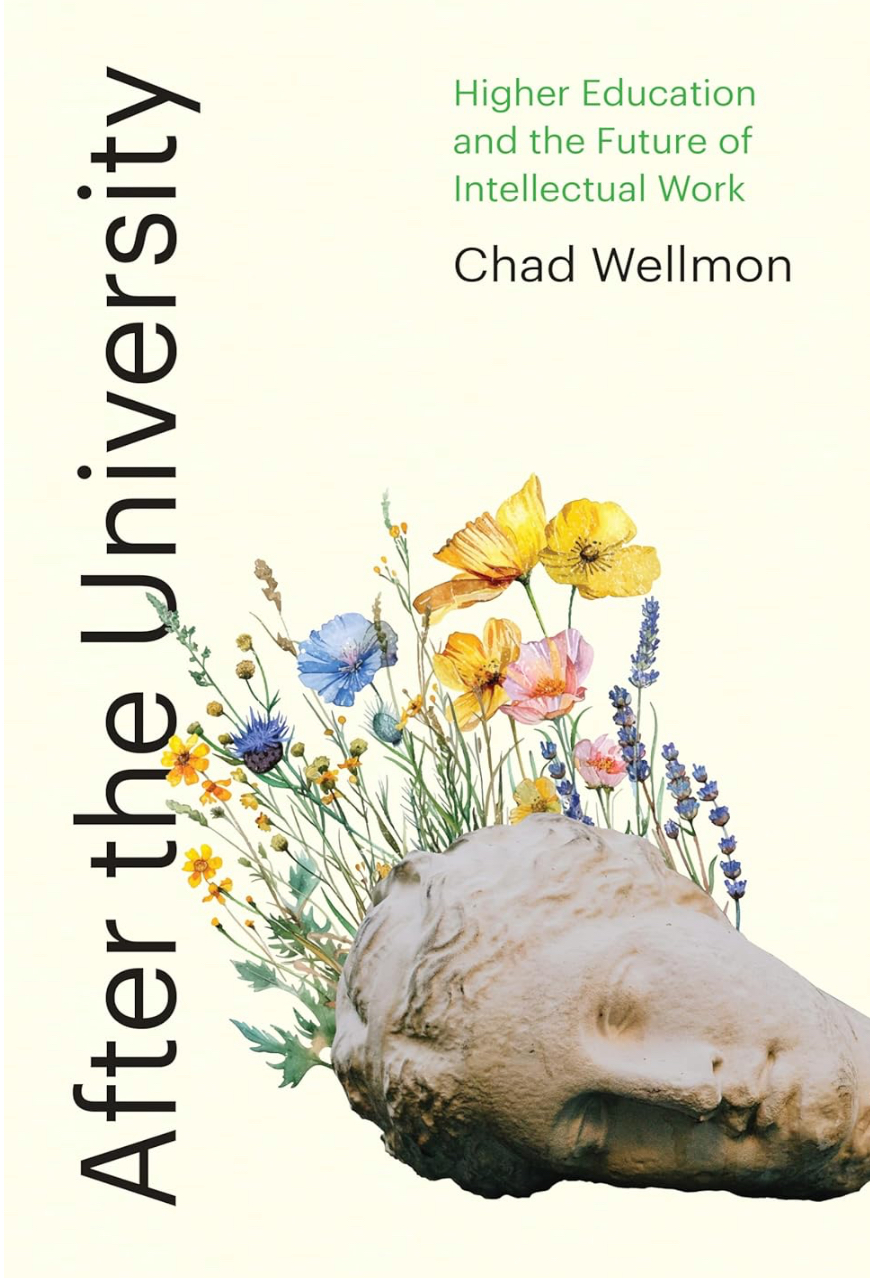
After the University
Books
Essays
Articles
Bio
Chad Wellmon
6.11.2015 7:46 PM
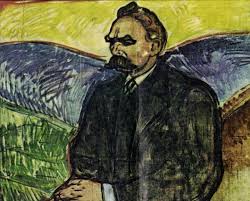
How the Philologist Became a Physician of Modernity: Nietzsche’s Lectures on German Education
More
: How the Philologist Became a Physician of Modernity: Nietzsche’s Lectures on German Education
6.4.2015 2:09 PM
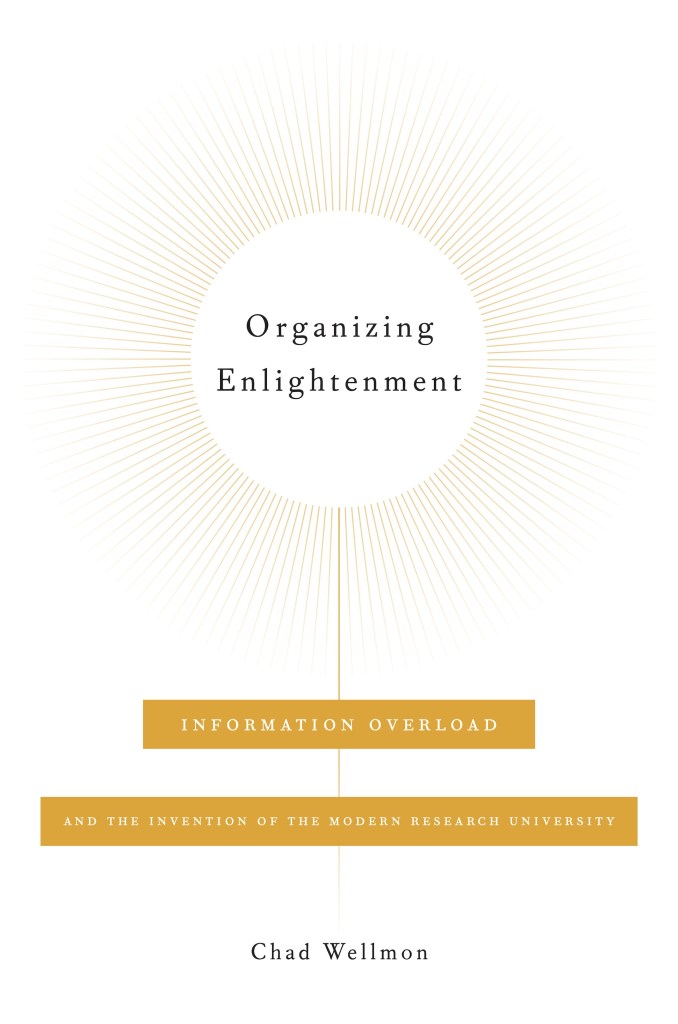
Epistemo-technics, Peter Leithart on “Organizing Enlightenment”
More
: Epistemo-technics, Peter Leithart on “Organizing Enlightenment”
5.13.2015 1:38 PM
Inside Higher Ed Interview on “Organizing Enlightenment”
More
: Inside Higher Ed Interview on “Organizing Enlightenment”
4.8.2015 2:17 PM
Mapping the “Enlightenment Index”
More
: Mapping the “Enlightenment Index”
4.6.2015 7:27 PM
In Defense of Specialization
More
: In Defense of Specialization
3.12.2015 12:46 AM
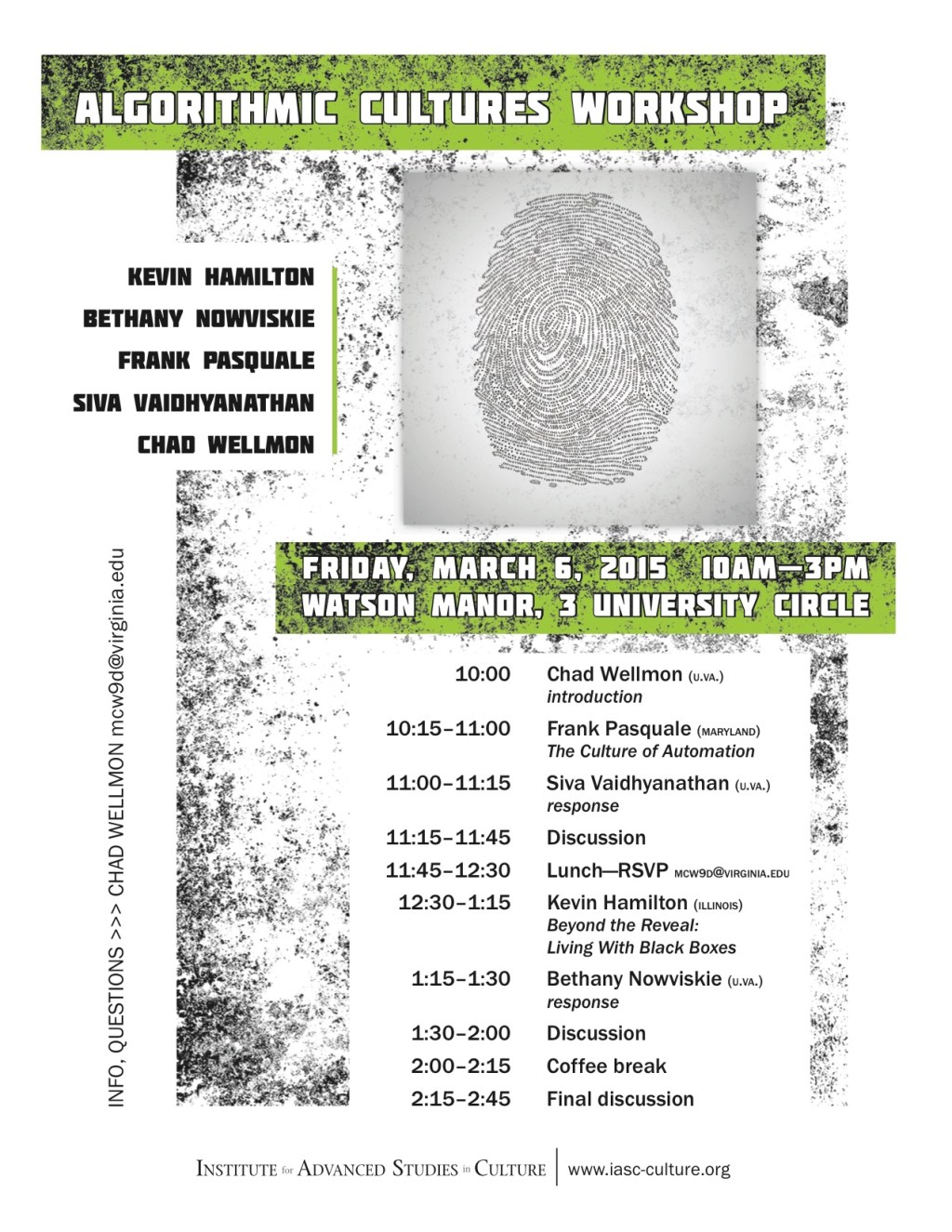
Algorithmic Cultures Workshop
More
: Algorithmic Cultures Workshop
2.13.2015 12:24 AM
Excellent Sheep: The Miseducation of the American Elite and the Way to a Meaningful Life, A Review
More
: Excellent Sheep: The Miseducation of the American Elite and the Way to a Meaningful Life, A Review
2.2.2015 1:42 AM
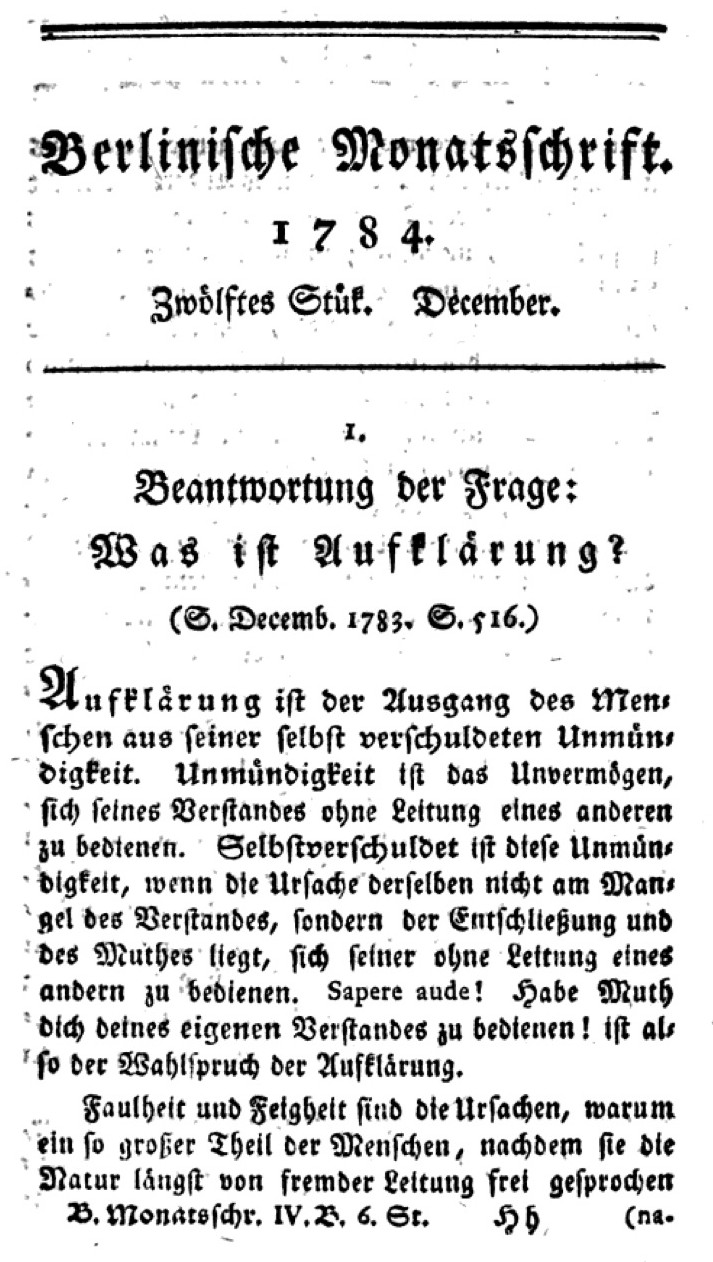
Organizing Enlightenment: Information Overload and the Invention of the Modern University
More
: Organizing Enlightenment: Information Overload and the Invention of the Modern University
11.19.2014 2:20 AM
Recovering Philology: A Review
More
: Recovering Philology: A Review
10.22.2014 2:15 PM
Nietzsche Transformed: How the Philologist Became Modernity’s Philosopher with a Hammer
More
: Nietzsche Transformed: How the Philologist Became Modernity’s Philosopher with a Hammer
Previous Page
1
…
6
7
8
9
Next Page
Read
Introduction (PDF or Online)
Introduction (
PDF
or Online)
Introduction (
PDF
or Online)
Introduction (PDF or Online)
Subscribe
Subscribed
Chad Wellmon
Join 26 other subscribers
Sign me up
Already have a WordPress.com account?
Log in now.
Chad Wellmon
Subscribe
Subscribed
Sign up
Log in
Report this content
View site in Reader
Manage subscriptions
Collapse this bar






 Chad Wellmon