Category: Uncategorized
-

Revolution U: What today’s critics of the university get right…and wrong.
Since at least the nineteenth century, research universities from Berlin to Baltimore have been indispensable institutions. They have conserved, created, and circulated knowledge not just for the specialized scholars within their ivied and bricked walls but also for the communities…
-

Bibliotherapy
Of the power of art, history, and philosophy to change us there are few instances more straightforward than Rilke’s sonnet “Archaic Torso of Apollo,” in which a confrontation with classical sculpture ends with the injunction, “You must change your life.”…
-
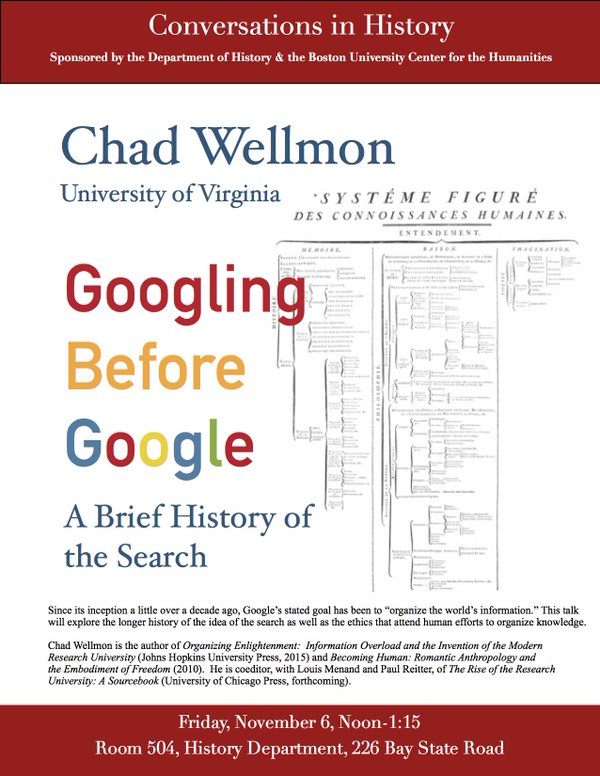
Googling Before Google: A Brief History of Search
To search is to google––to use Google’s search engine to find something on the Web. The search for meaning, love, purpose, or God––search as an existential feature of being human––has, in little more than a decade, been reduced to a…
-

Permanent Crisis: The Humanities in an Age of Disenchantment
One of America’s unsung rites of spring is National Humanities Advocacy Day. In mid-March, humanities professors from around the country travel to Washington, DC, not to gaze at masterpieces in the National Gallery, but to make the case for their…
-

On Sunday, June 10, 2012, Helen Dragas, rector of the University of Virginia’s Board of Visitors, announced that President Teresa Sullivan and the board had “mutually agreed” that Sullivan would resign. Citing a “rapidly changing” higher education environment, Dragas insisted…
-
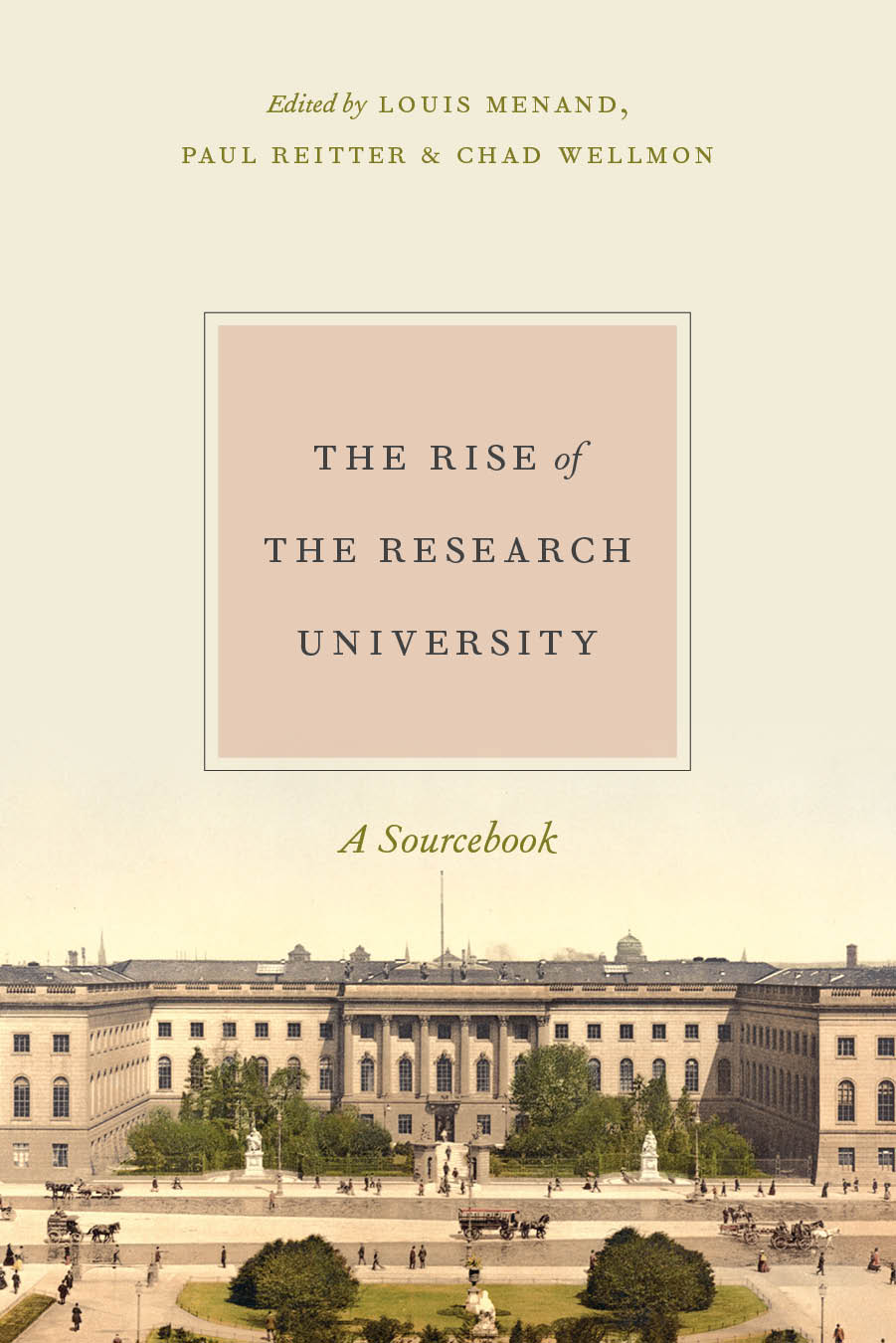
The modern research university is a global institution with a rich history that stretches into an ivy-laden past, but for as much as we think we know about that past, most of the writings that have recorded it are scattered…
-
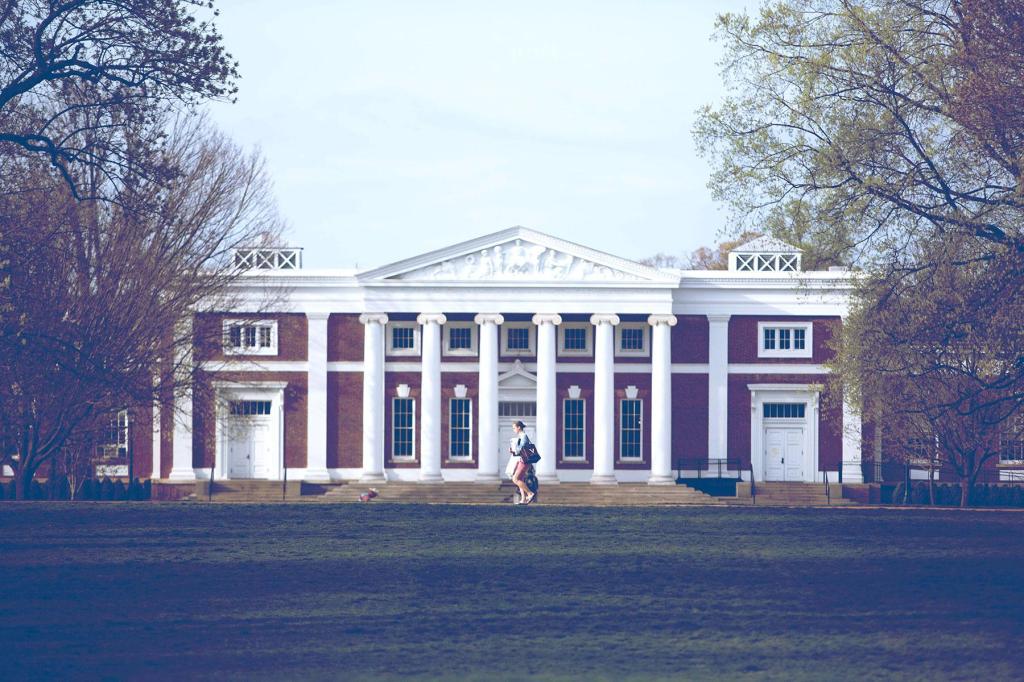
UVA Curriculum Reform
The faculty of the University of Virginia’s College of Arts & Sciences voted Wednesday to pilot the first significant, comprehensive changes to the College’s undergraduate student curriculum in more than 40 years.
-
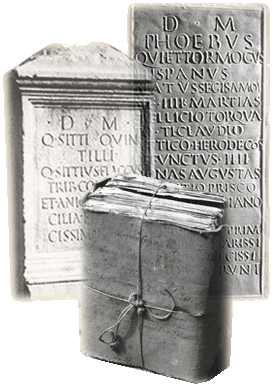
The Big Humanities
Before there was big science or big data, there was big humanities. Until the last third of the nineteenth century, the natural and physical sciences imitated many of the methods and practices of the humanities, especially disciplines like philology, which pioneered…
-

“Future Philology”: New Directions Fellowship
The Andrew W. Mellon Foundation awarded Assoc. Prof. Chad Wellmon a New Directions Fellowship last month in support of his proposal for a new course of study in the cross-disciplinary field of digital textual analysis. The $177,000 Mellon grant will…
-
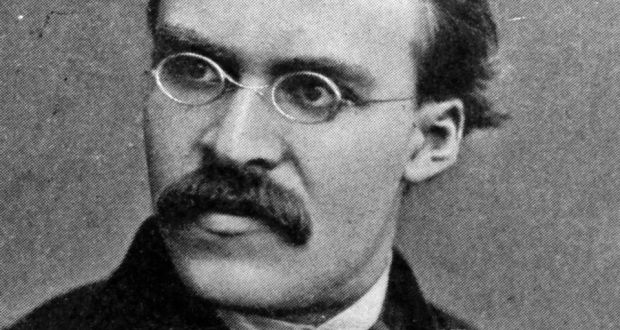
Irish Times Interview on Anti-Education
Ireland prides itself on the relatively high proportion of its young people who have higher-education qualifications. But Friedrich Nietzschewould not be impressed. The German philosopher saw the democratisation of higher education as an affront to genius.
 Chad Wellmon